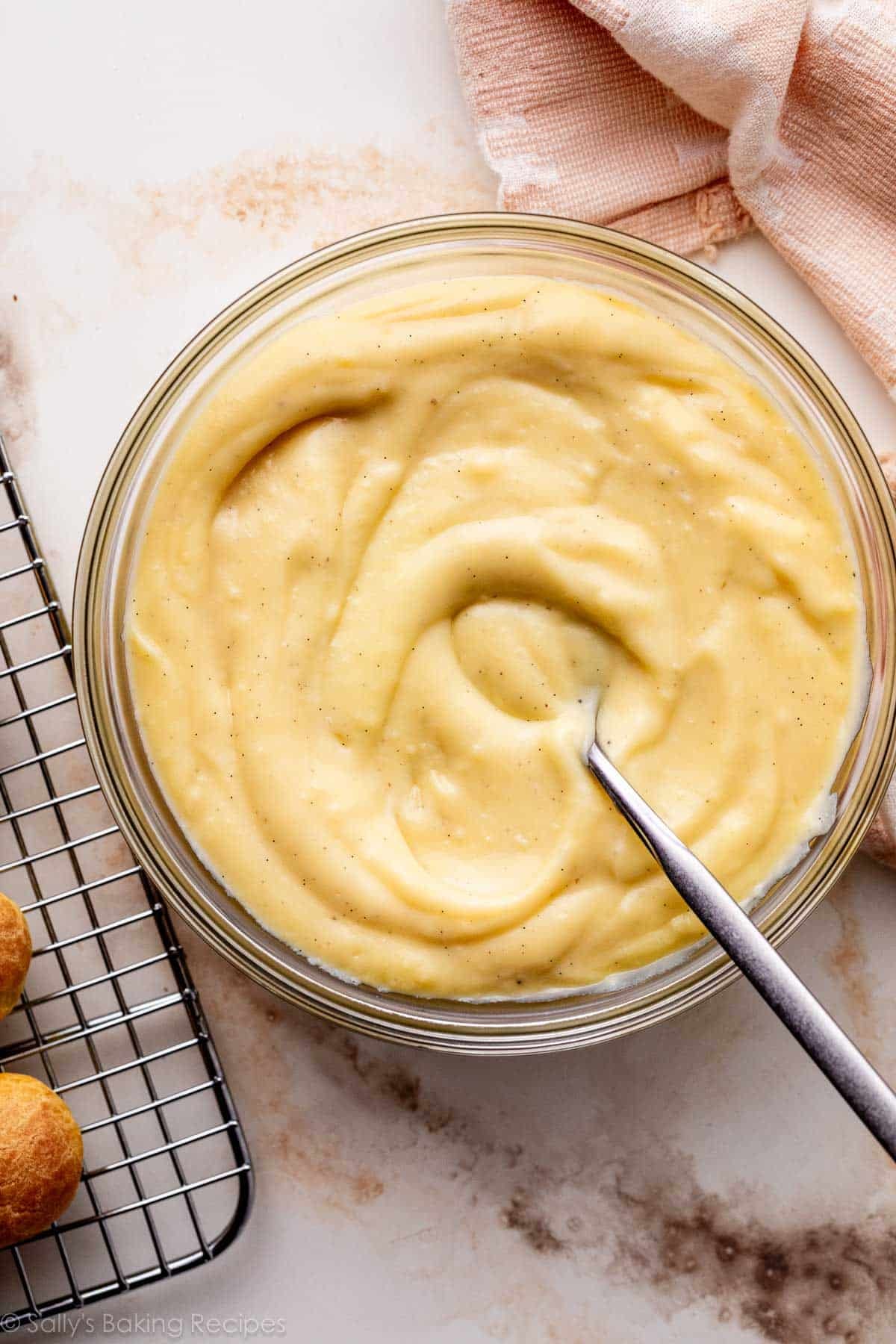
Mastering the Classic Pastry Cream Recipe: A Comprehensive Guide
There are few foundational recipes in the world of baking as versatile and rewarding as a classic pastry cream recipe, also known by its elegant French name, crème pâtissière. This thick, rich, and impossibly smooth custard forms the backbone of countless desserts, from delicate fruit tarts and éclairs to cream puffs, trifles, and layered cakes. While its sophisticated texture might suggest complexity, mastering a pastry cream recipe is surprisingly straightforward with the right techniques and a little patience. This article will guide you through every step, ensuring you achieve a velvety, lump-free, and utterly delicious pastry cream every time.
Whether you're a seasoned baker looking to perfect your technique or a beginner eager to expand your repertoire, understanding the science and artistry behind this essential custard will elevate your dessert game. A good pastry cream recipe - Article 1 often focuses on the basic preparation, and here we'll dive deeper into ensuring consistent success and exploring its vast potential.
The Essential Ingredients for a Perfect Pastry Cream Recipe
The beauty of a classic pastry cream lies in its simplicity. It relies on a handful of common pantry staples that, when combined correctly, transform into a magical filling. Quality ingredients truly make a difference, so opt for the best you can find.
- Milk: Full-fat whole milk is highly recommended for the richest, creamiest texture and superior flavor. Lower-fat milk can be used but may result in a thinner, less luxurious cream.
- Sugar: Granulated sugar provides sweetness and contributes to the cream's smooth consistency. It also helps to stabilize the egg yolks.
- Egg Yolks: These are the stars of the show, providing richness, color, and thickening power. The lecithin in egg yolks is a natural emulsifier, contributing to the cream's stable texture.
- Thickener: Most pastry cream recipes use either cornstarch or all-purpose flour. Cornstarch yields a more translucent, glossy, and lighter cream, while flour results in a slightly denser, more opaque finish. A combination of both is also common. For beginners, cornstarch is often easier to work with as it's less prone to lumps.
- Flavoring: Vanilla is the traditional choice. Use a good quality vanilla bean (split and scraped, added to the milk), vanilla extract (stirred in at the end), or vanilla bean paste for the best aroma and flavor.
- Salt: A tiny pinch of salt enhances all the other flavors, balancing the sweetness.
Understanding the role of each ingredient is the first step in truly mastering your pastry cream recipe. Each component contributes to the final texture and taste profile.
Step-by-Step Guide: Mastering Your Pastry Cream Recipe
Let's get down to the practical steps. Follow this detailed guide to ensure a smooth, rich, and perfectly set pastry cream.
Preparation is Key
- Gather & Measure: Have all your ingredients measured out before you begin (mise en place). This prevents scrambling when things heat up.
- Prepare Your Equipment: You'll need a heavy-bottomed saucepan, a whisk, a heat-proof rubber spatula, a fine-mesh sieve, and a shallow dish for chilling.
The Cooking Process
- Heat the Milk: In your saucepan, combine the milk, half of the sugar, and any initial flavorings (like a split vanilla bean). Heat over medium heat, stirring occasionally, until it just comes to a simmer. You'll see small bubbles forming around the edges. Do not boil vigorously.
- Whisk Yolks & Sugar: While the milk heats, in a separate medium-sized bowl, whisk together the egg yolks and the remaining sugar until pale and creamy. This process is called "blanching" and helps prevent the sugar from scorching the yolks.
- Add Thickener: Whisk the cornstarch (or flour, or both) into the egg yolk mixture until thoroughly combined and no lumps remain. The mixture will be thick.
- Temper the Yolks: This is a crucial step to prevent scrambling your eggs. Slowly ladle about a third of the hot milk into the egg yolk mixture, whisking constantly and vigorously. This gradually raises the temperature of the yolks without cooking them.
- Combine & Cook: Pour the tempered egg yolk mixture back into the saucepan with the remaining hot milk. Return the saucepan to medium heat.
- Whisk Continuously: Whisk constantly and vigorously, paying special attention to the bottom and corners of the pan, where the cream can stick and burn. The mixture will gradually thicken. Continue cooking for 1-2 minutes after it reaches a boil and thickens significantly. Boiling ensures the starch is fully cooked and activated, preventing a "starchy" taste and ensuring maximum thickness.
- Strain for Smoothness: Immediately remove the pan from the heat. Pour the hot pastry cream through a fine-mesh sieve into a clean bowl. This removes any potential lumps or bits of cooked egg, ensuring an incredibly smooth texture. If using a vanilla bean, remove it here.
- Add Final Flavorings: Stir in your vanilla extract or vanilla bean paste, and the pinch of salt.
Chilling & Storage
- Chill Rapidly: Transfer the warm pastry cream to a shallow dish or baking sheet to maximize surface area for faster cooling. Cover the surface directly with plastic wrap (known as "contact wrap") to prevent a skin from forming.
- Refrigerate: Chill in the refrigerator for at least 2-4 hours, or until completely cold and set.
- Whisk Before Use: Before using, give the chilled pastry cream a good whisk to restore its smooth, creamy consistency, as it tends to stiffen and consolidate during chilling.
Following these steps meticulously is the secret to a perfect pastry cream recipe - Article 2. It's a foundational skill that unlocks a world of delicious desserts.
Troubleshooting Common Pastry Cream Problems
Even with careful attention, sometimes things don't go exactly as planned. Here's how to tackle common issues:
- Lumpy Pastry Cream:
- Prevention: Whisk the thickener thoroughly into the egg yolks before tempering. Strain the hot cream immediately after cooking.
- Fix: If it's still warm and slightly lumpy, whisk vigorously with a strong whisk or even use an immersion blender for a few seconds. If it's cooled and very lumpy, you might need to re-strain it and re-whisk.
- Pastry Cream is Too Thin:
- Prevention: Ensure you cook the cream for the full 1-2 minutes after it begins to boil and thickens. The starch needs heat and time to fully activate. Don't skimp on cooking time.
- Fix: If it's too thin after chilling, you can sometimes return it to the saucepan and cook it gently over low heat, whisking constantly, until it thickens further. Be very careful not to scorch the bottom. If it's just slightly too thin, chilling it longer might help, but often it indicates insufficient cooking.
- Scrambled Eggs in Pastry Cream:
- Prevention: Always temper your egg yolks slowly with hot milk, whisking constantly. Never add cold yolks directly to hot milk, or hot milk to cold yolks without tempering.
- Fix: Unfortunately, scrambled eggs cannot be un-scrambled. If you have visible pieces of cooked egg, you can try straining the cream very thoroughly to remove them, but the texture might still be compromised. It's often best to start over.
- Grainy Texture: This can happen if the sugar isn't fully dissolved or if the starch wasn't fully cooked. Ensure you whisk thoroughly at each stage and cook the cream long enough once it boils. Straining helps to catch any undissolved particles.
Flavor Variations and Creative Uses for Your Pastry Cream
Once you've mastered the basic pastry cream recipe, a world of flavor possibilities opens up. Don't be afraid to experiment!
Exciting Flavor Variations:
- Chocolate Pastry Cream: Stir in finely chopped dark or milk chocolate to the hot pastry cream after straining. Whisk until melted and smooth.
- Coffee Pastry Cream: Infuse the milk with coffee beans, or stir in instant espresso powder or strong coffee extract at the end.
- Citrus Pastry Cream: Add citrus zest (lemon, orange, lime) to the milk while heating, or stir in a tablespoon or two of fresh citrus juice at the end for a brighter flavor.
- Nut Praline Pastry Cream: Fold in finely crushed praline paste or toasted, chopped nuts for texture and nutty flavor.
- Spiced Pastry Cream: Infuse the milk with spices like cinnamon sticks, star anise, or cardamom pods.
Creative Applications for Your Pastry Cream:
- Tarts: The quintessential filling for fruit tarts, often topped with fresh berries or sliced fruit.
- Éclairs & Cream Puffs: Pipe into choux pastry shells for classic French pastries.
- Cakes: Use as a luscious filling between cake layers, especially when combined with fresh fruit.
- Boston Cream Pie: The creamy filling that defines this iconic dessert.
- Diplomat Cream (Crème Diplomate): Lighten pastry cream by folding in whipped cream for an airy, mousse-like filling, perfect for trifles or more delicate desserts.
- Mousseline Cream (Crème Mousseline): A richer variation made by whisking softened butter into chilled pastry cream, often used in Paris-Brest or Fraisier cakes.
- Fruit Parfaits: Layer with granola, fresh fruit, and a dollop of cream for a decadent breakfast or dessert.
From simple desserts to elaborate patisserie creations, a perfectly executed pastry cream recipe is your ticket to culinary excellence. It's truly a fundamental skill that unlocks endless delicious possibilities.
Conclusion
The journey to mastering a classic pastry cream recipe is a rewarding one. This foundational custard, with its rich history and incredible versatility, is a testament to the magic that simple ingredients can create. By understanding the roles of each component, carefully following the steps for tempering and cooking, and knowing how to troubleshoot common issues, you can consistently produce a velvety smooth, flavorful, and perfectly set crème pâtissière. So go ahead, don your apron, gather your ingredients, and embark on the delightful process of making this essential dessert staple. Your taste buds, and those of anyone you share it with, will thank you.
